Posts on DVLAW.
21 posts tagged "DVLAW".

Phase 9 claimed self-driving overnight. The first five slots returned twenty percent.
Phase 9 described BBBrain's auto-pipeline as self-driving overnight delivery. Five scheduled slots later, the success rate was twenty percent — four cancellations, two architectural gaps in the publisher, and one duplicate that should never have queued. The rebuild was around explicit failure modes, not the happy path.
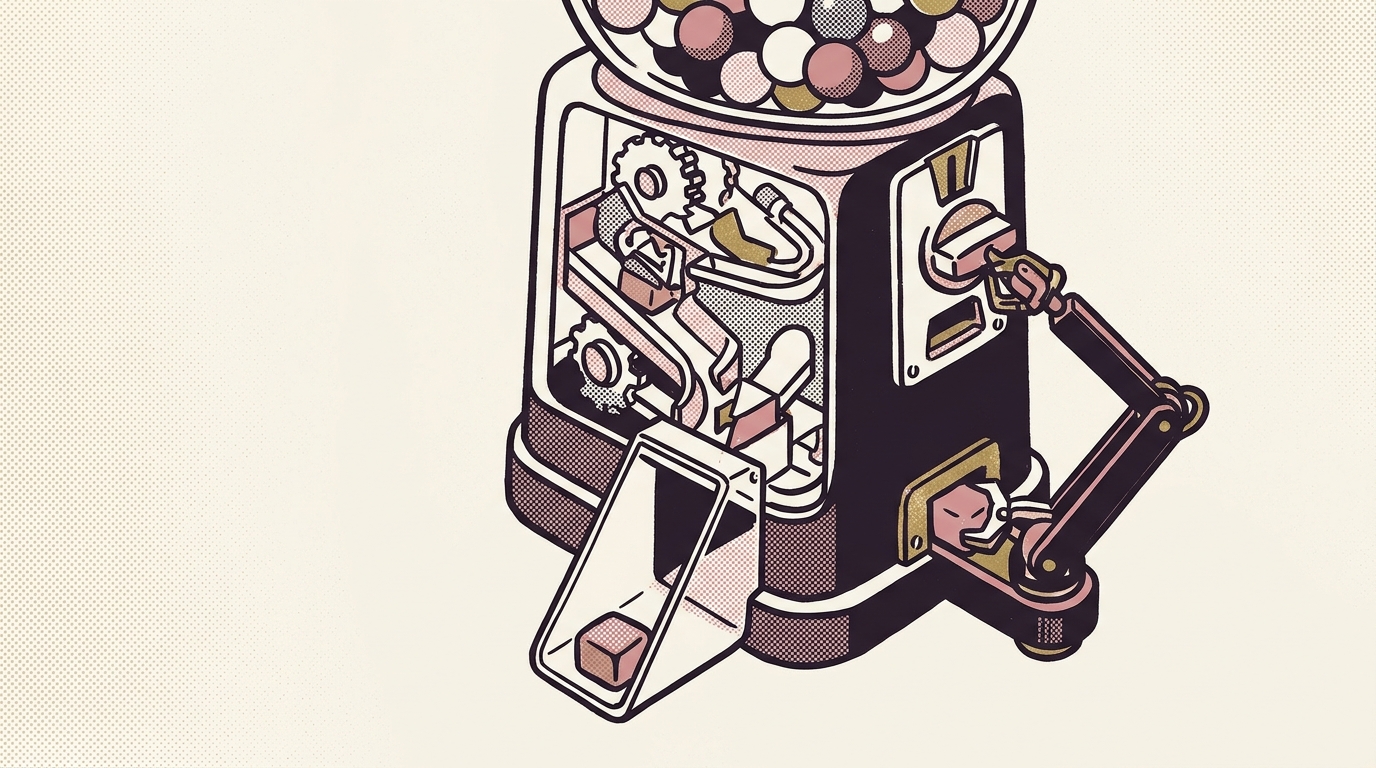
The publisher cancelled the 12:00 slot. My recovery logic called the publisher again.
Queue id=37 was scheduled for 12:00 BST on 13 June. schedule_sweep fired publisher at 11:00:08Z, publisher cancelled the row, and Fix B (the SLA recovery layer) called publisher again. Recovery logic without a model of who holds the lock cannot distinguish a concluded failure from a recoverable one.
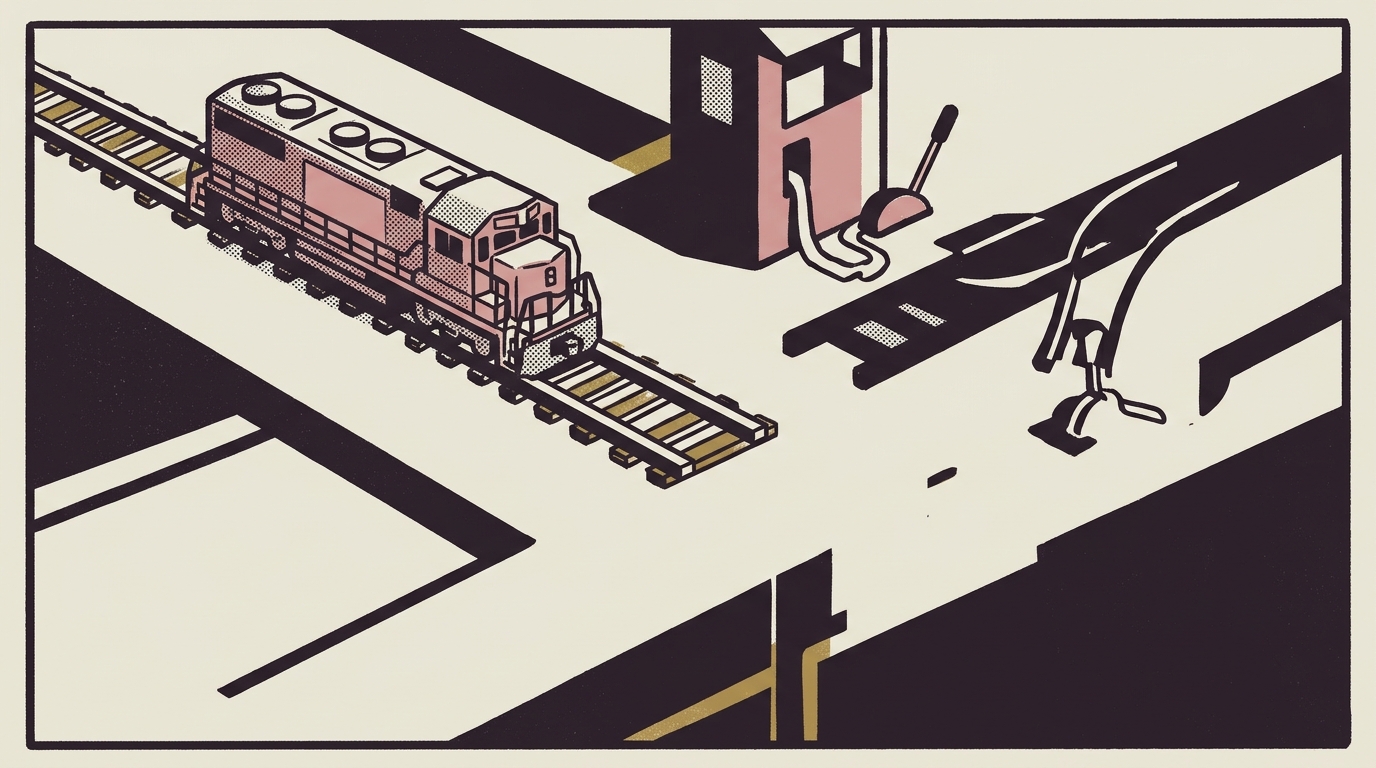
Auto-mode opened the PR. It didn't merge it. That was gap one.
Phase 9's 'self-driving overnight' was overstated by two wiring gaps. A 09:00 BST live run on 11 June found both. The afternoon of fixes taught more about auto-mode's real edges than any pre-flight design session.
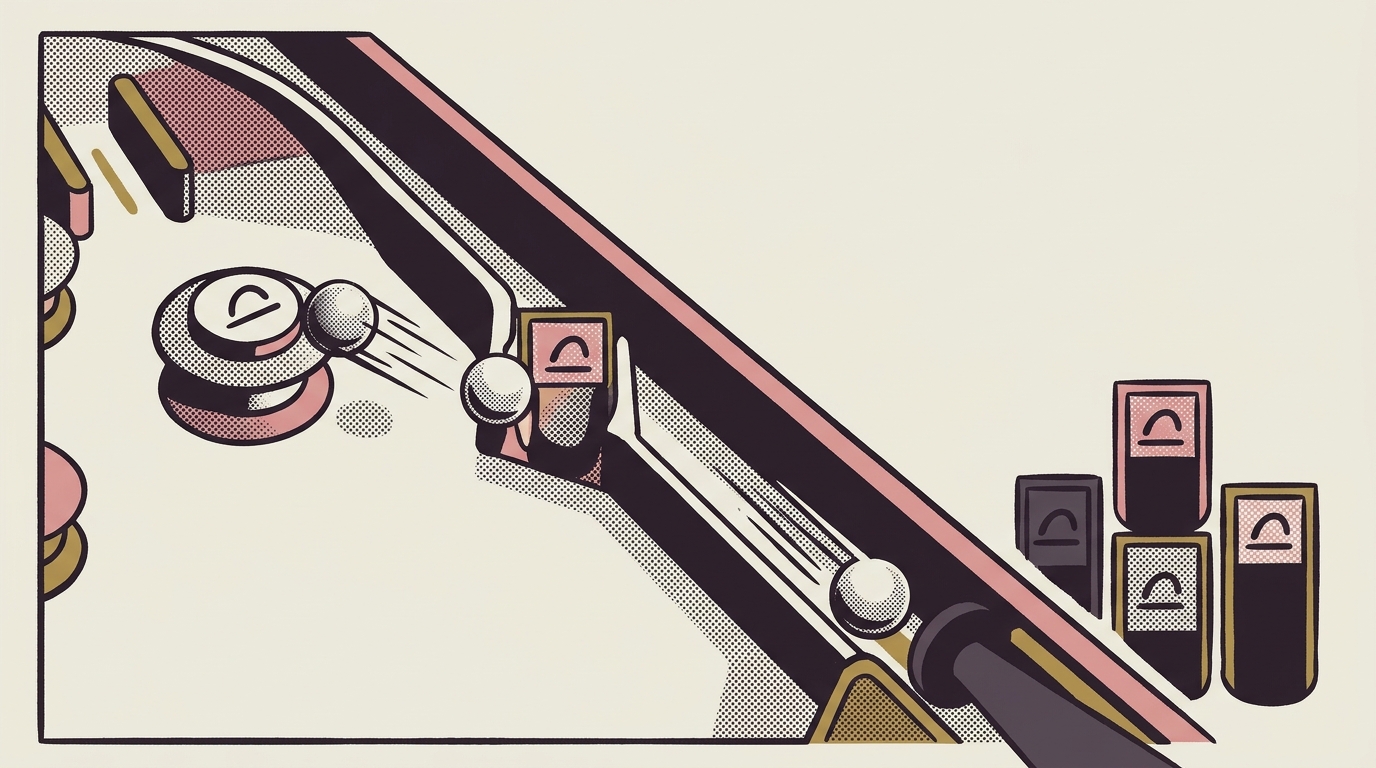
Phase B was hitting 20% autonomous success. The slot had never existed in the schema.
Five queue rows tried and rejected in three seconds. Three days of SLA fixes, substitute logic, and alarms, all patching around the same absence. The 20% pipeline success rate wasn't a scheduling problem — there was no schema entity for the thing being scheduled.
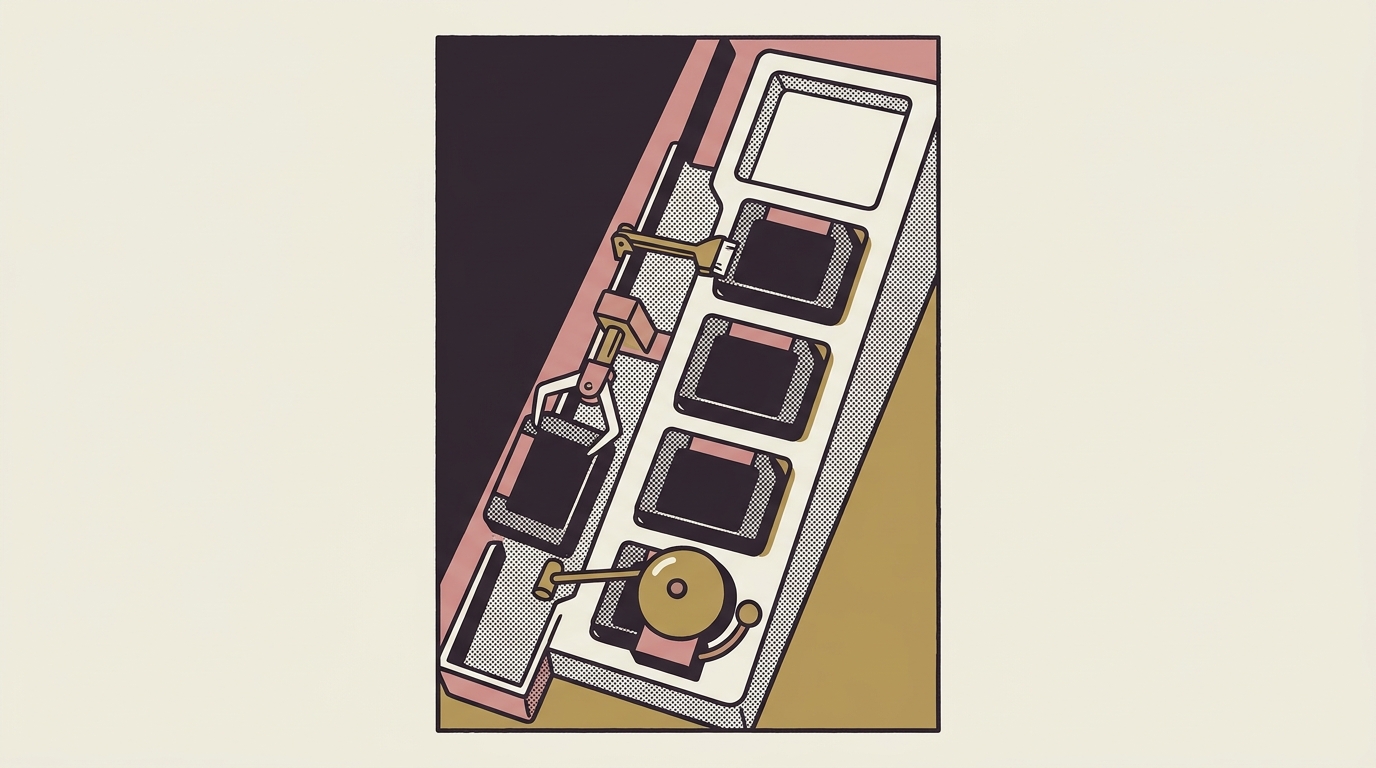
The publishing queue ran at 20% success rate. Fixing it took three changes that only work together.
Four autonomous publishing slots expired before the pattern became clear. Sibling cancellation, slot fallback, and a missed-slot alarm are a set — without all three, the queue degrades silently.