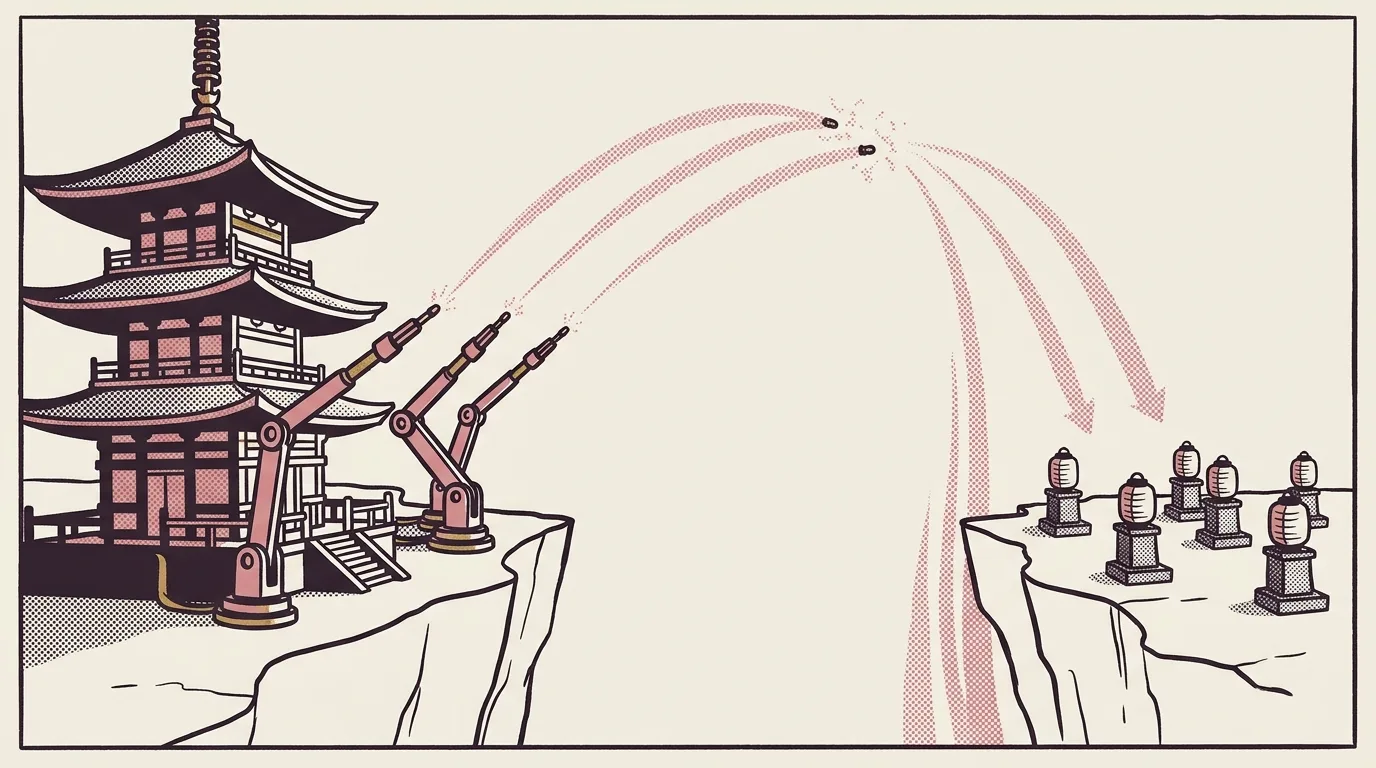
The morning gsc-telemetry digest on 2026-06-24 listed six URLs under “URL is unknown to Google”: five legal pages and /stamp-duty-calculator.
HTTP 200. In the sitemap. index, follow. Not indexed.
Phase 1.6 had been running operator-side fixes for four days.
What the telemetry made specific
The gsc-telemetry skill shipped on 2026-06-20 alongside ga-telemetry, the second observability layer. It runs batch URL Inspection API calls and classifies pages by indexation status. Without it, the six pages were invisible in aggregate traffic data: zero impressions, zero clicks, indistinguishable from pages that simply hadn’t earned an audience yet. Underperforming pages and unindexed pages look identical in a traffic dashboard. They require completely different fixes.
With the skill, the problem was typed. Not underperformance. Non-indexation.
The two skills together close the observability gap. ga-telemetry covers the traffic surface: sessions, pageviews, acquisition channel, bounce rate. gsc-telemetry covers the discovery surface: impression coverage, click-through rate, URL inspection status. A page can be indexed and earning zero traffic (ga-telemetry diagnosis applies), or not indexed at all (gsc-telemetry diagnosis applies). The six stranded pages fell into the second category.
That classification determines the class of fix. Operator-side changes are cheaper than content-side changes, so you run the cheaper hypothesis first.
The operator-side hypothesis
The initial move on 2026-06-20 was correct given what was known at the time.
Three levers pulled in sequence:
- Sitemap canonical corrections across the affected pages
- IndexNow submission: direct URL notification that signals Bing and indirectly Google
- Twelve Request-Indexing nudges via the Search Console API
If any of those had been the blocker, the fix would have been done in a morning. Canonical corrections deploy in minutes; Request-Indexing is an API call; IndexNow is a webhook.
None of that moved Google. Four days later, the six pages were still unknown.
The technical audit
I ran a code review on PR #153 covering all six surfaces on 2026-06-24.
Every technical SEO blocker came back clean. HTTP 200 responses. Correct index, follow directives. Self-referential canonicals. No prerender blocking. No robots.txt exclusion. No noindex in HTTP headers. The pages were structurally sound by every automated measure.
A clean technical audit with pages still unknown to Google produces one remaining hypothesis. The pages are reachable and correctly configured. The sitemap lists them. Google hasn’t indexed them. The only remaining variable is discovery weight: nothing in the site is pointing at these pages in a way Google’s crawler follows and weights meaningfully.
That’s the content-side diagnosis.
Why footer links don’t move indexation
/disclaimer and /stamp-duty-calculator were both footer-only pages before the fix. Footer links appear on every page of the site, which means the crawl weight each footer URL receives is that link’s share of the footer’s total link equity, divided across every other footer item and small per URL.
The sitemap tells Google a URL exists. It does not tell Google the URL matters. Crawl weight comes from links in body prose. That signal tells a search engine a URL is worth following and indexing. A link embedded in a paragraph about stamp duty calculations, pointing to /stamp-duty-calculator, carries a meaningfully different signal from the same URL appearing in a footer alongside terms-and-conditions and cookie policy.
Footer links are navigation. Body prose links are editorial endorsement. Google weights them differently.
A page that exists only in footers and sitemaps has the discovery profile of a page that doesn’t exist editorially. That’s the gap the operator-side fixes couldn’t close, because none of them change the editorial weight picture.
The fix
Six articles. Body-prose internal links from each to /disclaimer and /stamp-duty-calculator. Not retrofitted awkwardly. Each link sits in the natural flow of legal-context content where a link to the disclaimer is genuinely relevant and where /stamp-duty-calculator is a logical next step for the reader.
The linking candidates weren’t guessed. The 8-pillar content map, completed on 2026-06-23, had already identified which articles had topical overlap with the legal pages and the calculator. Six articles with established relevance, six editorial links, crawl-weight transfer from pages Google already knew about to pages it didn’t.
The content build happened before the linking. That sequencing is necessary: you cannot add meaningful body-prose internal links before you have the body prose to put them in.
The diagnostic sequence
The operator-side fixes weren’t a wrong turn. They were the correct first hypothesis: cheap to run, quick to validate, worth making regardless because they improve the signal environment. IndexNow and Request-Indexing are low-cost submissions. The canonical corrections are hygiene.
None of it wasted time. It cleared the board so the content-side diagnosis was the only one left standing.
The sequence the telemetry enables:
- Observe: gsc-telemetry identifies the specific URLs and their indexation status
- First hypothesis: run operator-side fixes (sitemap, canonical, indexing submissions)
- Validate: technical audit rules out structural blockers
- Second hypothesis: content-side, meaning crawl weight from body prose
- Implement: internal links from topically relevant articles
Without step 1, you’re working from inference about which pages might have indexation problems. Skip step 3 and you might run step 4 with a fixable technical issue still present. Telemetry doesn’t replace the diagnostic sequence; it makes each step precise and reproducible.
What isn’t resolved
Out of scope: validation. The 2026-06-24 internal links were implemented but the indexation outcome wasn’t confirmed at the time of writing. Google’s crawl cycle on a site this size is days to weeks. The next gsc-telemetry digest showing those six URLs, indexed or still unknown, is the validation step. If the status doesn’t change, the crawl-weight diagnosis was incomplete and there’s a further layer to investigate.
Out of scope: the AdSense “low value content” signal surfaced during Phase 1.6. That diagnosis ran in parallel and is documented separately. It doesn’t intersect with the indexation problem addressed here.
The narrow lesson
Operator-side fixes are cheaper to run than content-side fixes. Run them first. When the technical audit returns clean and the pages are still unknown to Google, you’re looking at a crawl-weight problem, not a configuration problem.
Internal linking is crawl-weight transfer. Footer-only pages are invisible to Google not because they’re broken but because nothing editorial is pointing at them. Body-prose links from topically relevant content are what close that gap.
Telemetry doesn’t tell you which fix to run. It tells you which category of fix applies, and which category to eliminate first. That distinction saves the wrong kind of work.


