The ga-telemetry skill landed at ~/.claude/skills/ga-telemetry/ on 2026-06-20. Six stdlib-only Python modules. A SKILL.md. A plist. No pip dependencies. Same constraint the gsc-telemetry skill had shipped under that morning, same architecture, different upstream API.
A few hours later, the Phase 1.6 operator-side push went out. Sitemap canonical fix. Twelve Request-Indexing nudges sent to the Search Console API. IndexNow wired live.
Two pull requests. Different code, different surfaces. One pulled from Google Analytics. The other edited a sitemap and fired indexing signals.
Underneath both: the same question. Did Google see this?
What the morning’s gsc-telemetry read
The gsc-telemetry digest that morning had flagged six pages still showing “URL is unknown to Google”: five legal pages plus /stamp-duty-calculator. I ran a code review across those six surfaces. It came back clean. HTTP 200 on every route. index, follow meta tag in place. Canonical pointing at self.
No technical SEO blocker.
The pages were correct. Google simply hadn’t found them. The question shifted from “what’s broken?” to “why hasn’t Googlebot walked in?”
The Phase 1.6 push addressed both prongs. The sitemap fix tightened canonical signals, the Request-Indexing nudges told Google the URLs existed, and IndexNow broadcast the same signal to Bing. These are operator-side levers, not fixes to the pages themselves. They submit evidence that the pages exist.
What ga-telemetry actually is
The gsc-telemetry skill reads the Google Search Console API: impressions, clicks, coverage status, crawl anomalies. That’s the search-engine’s view of the site: what Google has found, indexed, or flagged.
ga-telemetry is the user view. Same stdlib-only constraint (six Python modules, no dependencies that require a pip install), querying the Google Analytics Data API instead. Where gsc-telemetry answers “did Google find the page?”, ga-telemetry answers “did anyone visit it?”
Both skills live at the same depth inside ~/.claude/skills/. Both got installed the same day. The build log describes the second skill as “second observability skill shipped today on top of the morning’s gsc-telemetry work — same architecture, different upstream API.” The architectural parity was deliberate: if you’re instrumenting one surface of the publishing loop, instrument the other at the same time.
The editorial fix for the six invisible pages
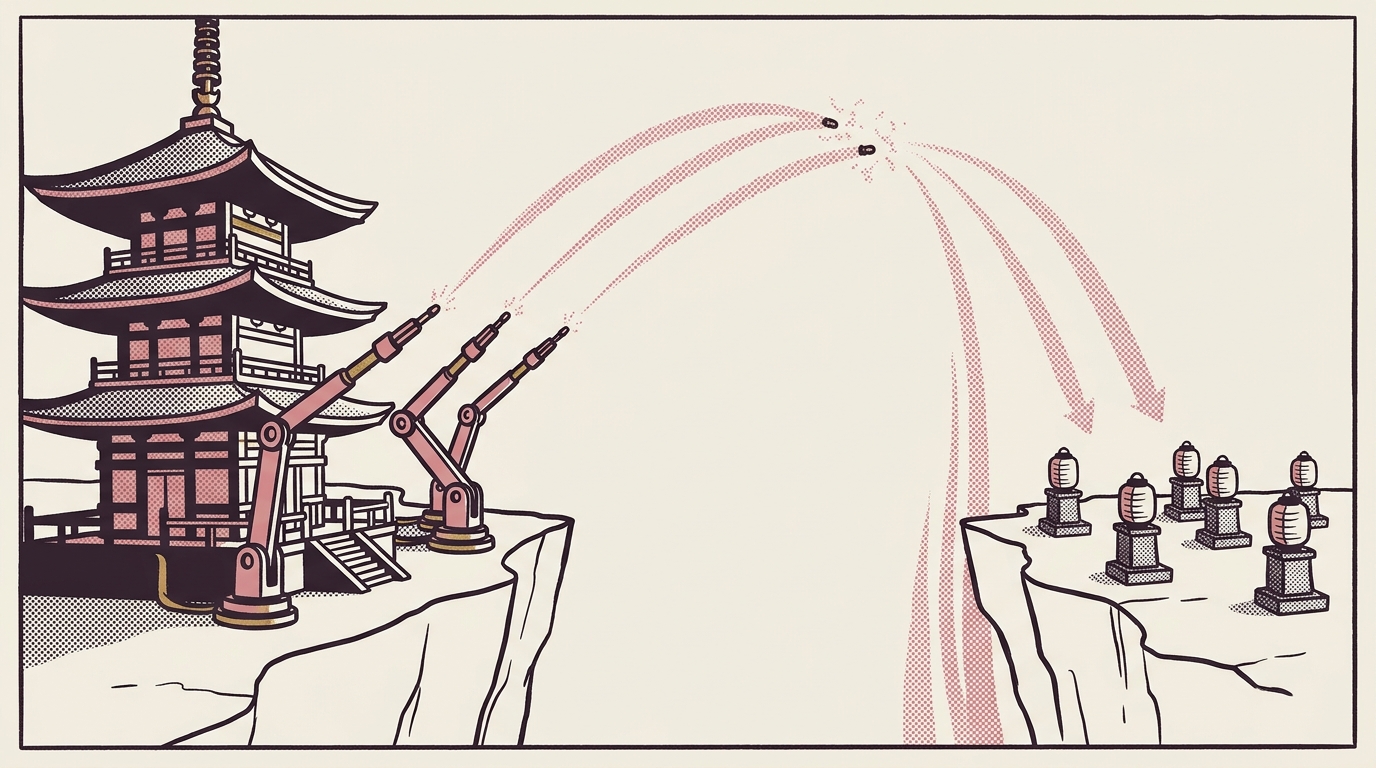
The sitemap push and the indexing nudges were operator-side signals. They told Google to look. They didn’t give Google a path to follow.
That came from a content operation. The fix for the six pages was body-prose internal links: edits to six existing articles that now pointed their body text toward /disclaimer and /stamp-duty-calculator. Crawl-weight transfer. Google had already indexed the articles; the links gave Googlebot a route into the previously footer-only pages.
This is not a technical change. No config was touched. The change lived in MDX files. It shipped as prose.
But it was motivated by an observability signal. Without the gsc-telemetry digest, there would have been no list of flagged pages. Without the flagged list, no code review. Without the review ruling out technical blockers, no diagnosis that the problem was crawl isolation. Without that diagnosis, no editorial crawl-weight transfer.
The chain is: instrument → diagnosis → editorial fix. Observability and content ops aren’t two disciplines interfacing at a handoff point. They’re two stages of one chain.
The 8-pillar map and the adsense-telemetry reflex
By 2026-06-23, the 8-pillar content map was complete: six additional articles published that day to close out the topic-authority backlog. At that stage, the AdSense surface returned a “low value content” diagnosis. The response: a thin-content pre-flight audit, and B-078 adsense-telemetry parked on the backlog.
That second item is the reflex worth noting. A new signal gap appeared. The first response was to plan a new observability instrument. Not a content fix. Not a monetisation pivot. An instrument, because without the instrument, any fix is guessing.
This is the same reflex that produced gsc-telemetry and ga-telemetry. A visibility gap surfaces. The response is: close the visibility gap first, then act on what you can see.
Why same-day shipping matters
If observability and content operations are separate workstreams, there is a handoff between them. The signal fires in the telemetry layer, gets noted somewhere, propagates into an editorial sprint later. That lag is where invisible pages stay invisible.
The six pages in question were unindexed before gsc-telemetry existed. The instrument didn’t create the problem. It named it. Once named, the fix took two days: code review on 2026-06-24, editorial internal-link edits the same day, sitemap nudges already fired.
Two days is fast. It was fast because the instrument existed and because the person running the instrument was making the editorial decisions. No handoff. Diagnosis and correction ran in the same session.
The binding constraint is when the instrument exists. ga-telemetry shipping the same day as the Phase 1.6 sitemap push wasn’t calendar coincidence. It was the recognition that both exist to close the same loop, and that loop is only closed when both halves are running.
The stdlib constraint is architectural
Neither ga-telemetry nor gsc-telemetry has a pip dependency. Six modules each, all from the standard library. The constraint is intentional: a global skill that requires a pip install requires an active virtualenv, which requires maintenance, which drifts. Stdlib-only skills run anywhere Python 3 runs, without setup.
This matters because instruments need to be reliable. An instrument that fails because a dependency is stale is a script that used to work. The stdlib constraint is how you maintain the difference.
It also meant both skills could ship the same day without shared environment setup. gsc-telemetry in the morning, ga-telemetry by the afternoon. The architectural decision eliminated the practical barrier to shipping them together.
What this looks like in practice
Publishing without telemetry is writing into a void. You know what shipped. You don’t know whether it arrived.
Telemetry without editorial authority is watching a problem you can’t fix. You know what’s invisible. You can’t make it visible.
The six pages sat in that second state until the crawl-weight transfer edits landed. The 8-pillar map closed because telemetry was running and the editorial loop was short.
Both halves need to be active simultaneously. The build log records them shipping together on 2026-06-20 because that was the day the loop became complete.