The timelines note on /contact/ read: “I’m not taking on rushed work. Two weeks minimum. If you need something by next week, I’m probably not the right person.”
Written as a quality signal. The intent was transparency about constraints, honesty about fit: I work carefully, I don’t rush, if the timeline doesn’t match you should know that now. Those are real values, worth communicating.
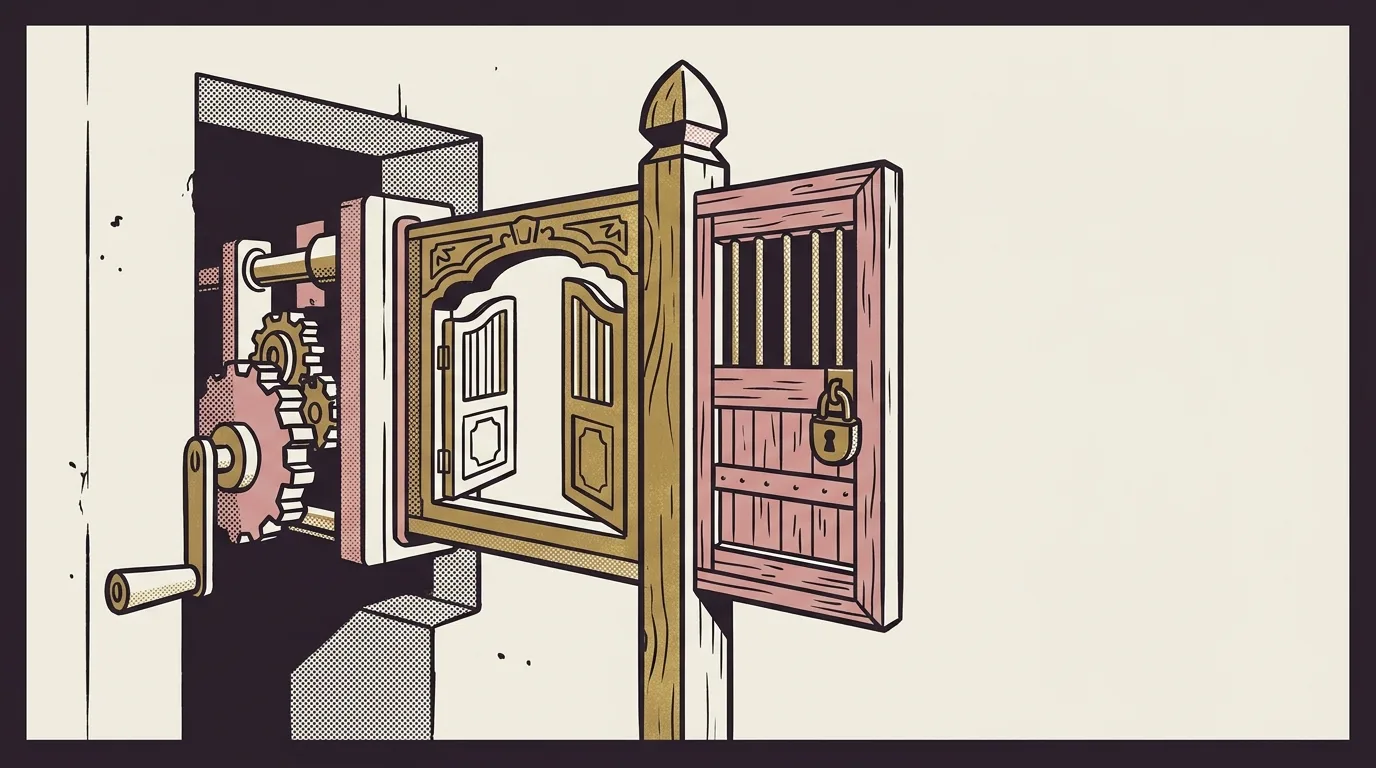
But read it through a prospect’s eyes. They arrive at a contact page cold, no prior investment, no context about the intent behind the phrasing. The last sentence does something different. “Probably not the right person” isn’t humility. It’s a door. Two weeks minimum registers not as professional rigour but as: long queue, low priority, take this elsewhere.
Improving on the specific fix documented in “the-timelines-note-that-was-filtering-out-the-right-prospects”: what I found wasn’t just a note that needed rewriting. It was a diagnostic. The same error was sitting on three other pages: copy written from the founder’s frame, aimed at the founder’s concerns, without checking what it said to someone who didn’t share those concerns.
The diagnostic
This kind of mistake has a specific shape. The author knows what the words are trying to say, and that knowledge is invisible to the reader. “Probably not the right person” reaches the reader without the subtext behind it. The subtext, that this is honesty about fit rather than a dismissal, only resolves if the reader already trusts you. On a contact page, they don’t.
The fix wasn’t to remove the constraint. Two weeks minimum is real; rushed work is still off the table. What changed was whose frame the note spoke from. The rewrite states the same constraint without positioning the reader as someone who might be in the wrong place.
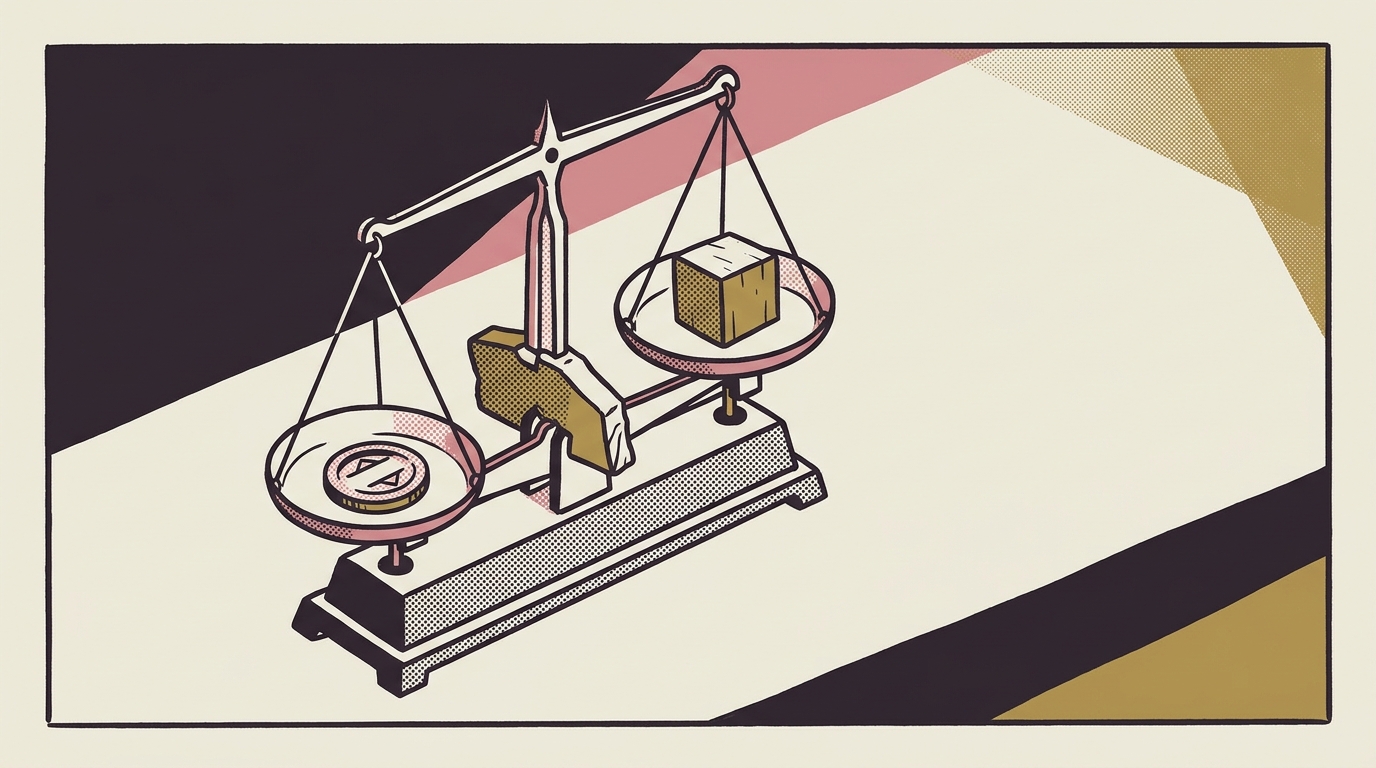
The test is more specific than “is this clear?” Clarity is a property of the sentence. This is a property of the relationship between the sentence and the reader’s frame. Copy can be perfectly clear and still carry the wrong signal if the clarity is calibrated to the author’s context rather than the reader’s.
That distinction was what the timelines note exposed. The next three fixes ran on the same question: whose frame is this written for?
NAPA SEASON
The album body prose included: “Suno for the production and vocals.”
Written as an attribution statement. The intent was transparency about AI tool involvement: honest process disclosure, the kind of thing a founder adds because they think readers deserve to know. What the sentence said was that Suno made the music.
The lyrics and production decisions are made here. Melodies are built in Logic. Suno contributes vocals and instruments; it’s the instrument, not the author. That sentence handed the authorship of the record to a tool. The work Suno does is the work of whoever decides what to give it.
Founder-frame again: transparency about tools, coded as honest attribution. The reader’s frame: who made this? The answer the blurb gave was the wrong one. Not false about Suno’s role, since Suno is involved, but wrong about whose creative decisions the record represents.
The sub-brand rename
The content sub-brand was “Creative AI Series.” It became “Creative AI Assisted Series,” landing across seven public surfaces: single and album pages, the footer, the videos and series index.
One word. The difference is load-bearing.
“Creative AI Series” names a genre. It also, ambiguously, names the creator. AI as the primary creative agent; the series a product of that agency. That’s not the author’s intent, but it’s a plausible reading for someone arriving without context. “Creative AI Assisted Series” closes the ambiguity. Assisted is a relational word: it describes the tool’s role relative to the person directing it. Human author, AI instrument.
The original name was coherent from inside the author’s frame. From outside it, without the intent already loaded, it admitted a different reading. One the author hadn’t considered because the author never needed to.
The learning hub
The /learning/ h1 became “Engineering thinking.” The sub, meta description, and hub JSON-LD description carry the same positioning: courses that teach how an engineer reasons, the decisions and frameworks behind the work.
This one is a different shape from the others. Not a quality signal reading as rejection, but a catalogue description reframed as a visitor outcome. The old headline presumably described what the catalogue contained. The new one says what arriving there gives you.
Same move in a different register. Stop writing from the author’s logic (here is what this section contains) and start writing from the reader’s logic (here is what this does for you). “Engineering thinking” positions the courses around the visitor’s outcome. A catalogue headline positions them around the author’s inventory.
The pattern
These aren’t four separate copy problems. They’re one problem expressed four ways.
When copy is written to satisfy the author’s impulse, to signal quality, attribute honestly, describe accurately, it performs for the author first. The author knows the intent and resolves the ambiguity. The timelines note is humility, not a door. The NAPA SEASON line, transparency, not misattribution. The sub-brand name, a genre descriptor, not a claim about authorship. The learning hub headline, a contents list, not a pitch.
The reader doesn’t have that context. They receive the surface. And the surface of copy written in the founder’s frame carries founder logic the reader doesn’t share.
There’s a practical consequence. A site with copy like this isn’t misleading visitors by accident. It’s accurately representing the author’s mental model, and the author’s mental model is the problem. The fix isn’t to be clearer. It’s to start from a different model: what does the person reading this need to know, and in what order?
The timelines note was the first place that question got asked explicitly. The answer was uncomfortable enough to run the same check everywhere else.
Out of scope: whether the rewrites convert better. That’s a different question with a different timescale. What the fixes close is the gap between the author’s intent and the reader’s received signal. Whether the reader now gets what the page needs to do is a separate diagnostic, and the live site will answer it in time.