The NAPA SEASON album page had a credits blurb. The body prose read: “Suno for the production and vocals.”
I’d written it as part of the page build. At the time it read as disclosure: here are the tools involved, named and attributed. That’s a habit from software. List your dependencies, be transparent about what’s under the hood. I reviewed it in that frame and it passed.
I re-read it later, cold. Different frame entirely.
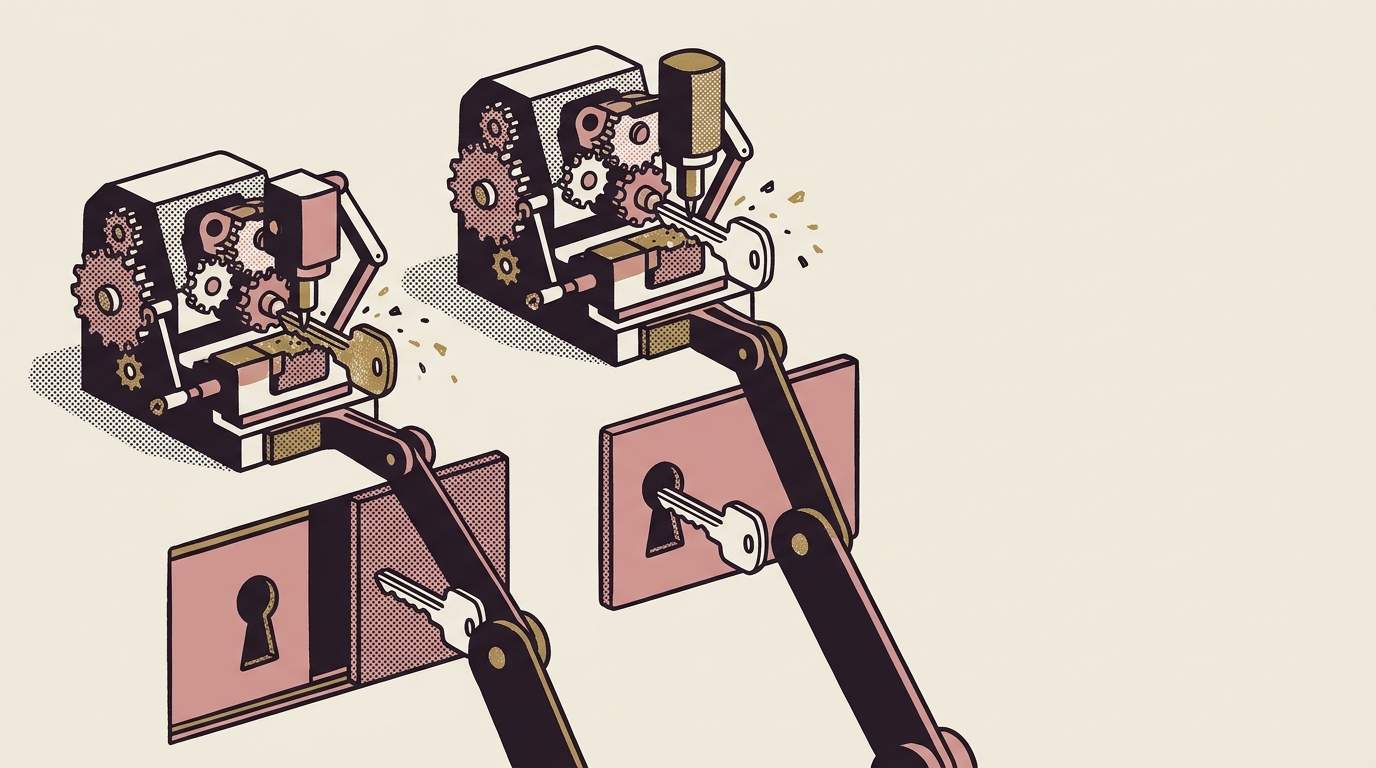
In music, “production” and “vocals” are authorship categories. The sentence didn’t say “Suno was used in producing the vocals.” It said Suno did the production. It said Suno did the vocals. That attribution transferred the authorship of the record to the tool.
That is wrong.
The line came out. Five-minute fix. The error had been live for weeks.
Production credits are authorship statements
Liner notes have stable conventions on this. Credit a session musician for guitar and you’re making an authorship attribution: that person’s performance is part of the work. Run the track through a reverb plugin and you don’t credit the plugin manufacturer for guitar. The reverb shaped the sound. The musician authored it.
The sophistication of a tool doesn’t change where that line is. The question is always: who wrote the thing the tool processed?
On NAPA SEASON, the lyrics and production were written before Suno touched them. Melodies were built in Logic. Suno renders. Crediting Suno for vocals attributes the authorship to the renderer, not to the composition the renderer was given. The roles don’t transfer because the tool is capable. They transfer only if the tool is doing the creative work: writing the lyrics, building the melodies, making the decisions. It wasn’t.
There’s a version of this where the line would be accurate: hand Suno a genre and a prompt, let it generate lyrics and melody and arrangement from scratch, and crediting it for vocals and production would be honest. That’s not what happened on NAPA SEASON. The blurb described a different record.
The sentence that wrote itself wrong
Disclosure mode produces honest tool lists. It doesn’t produce accurate authorship attribution, because those are different outputs from the same sentence.
“Suno for the production and vocals” — read as disclosure: I used Suno, on production and vocals, honestly named. Read as attribution, which is how a credits blurb reads on a page someone visits without your internal context: Suno produced this; Suno sang this. Both readings come from the same sentence. I wrote it in the first frame. It existed in the second.
The fix wasn’t removing Suno from the credits. Transparency about tooling is right; I’m not obscuring what I use. The fix was making the authorship structure accurate: describing what Suno does in the process, not transferring the process to Suno. The former is disclosure. The latter is misattribution dressed as disclosure.
The sub-brand rename was the same edit
Three days later: the content sub-brand on /creative was “Creative AI Series.” That renamed to “Creative AI Assisted Series.”
Seven spots updated: single and album pages, the footer, the videos and series index descriptions, the SingleRelease component. One adjective.
Without “Assisted,” the series name reads as a series of creative AI work — AI is the creative force, and the series exists because of that creativity. With “Assisted,” it reads as a creative series where AI helped. The creator is the subject; the tool is the instrument.
That’s the same authorship structure as the NAPA SEASON blurb. Without the qualifier, AI sits in the authorship slot. With it, the authorship is explicit. One word carries the full argument.
Both fixes arrived at the same rule through different surfaces. Tool-credit lines and product names that reference AI tooling both need the same review pass: read them as authorship statements, not process descriptions. The disclosure instinct produces the disclosure; only the authorship read catches the error.
What legal-grade review means in practice
I don’t mean this requires a solicitor. I mean the review standard is the same as reading a contract clause.
In a contract you read for what it says, not what you intended. “Suno for the production and vocals” — what does it say? Suno did the production and vocals. Intent is irrelevant to what the clause says.
Three questions for any tool-credit line:
- Who authored the work this credit describes?
- What did the tool do that a different tool couldn’t have done?
- Does the line, read cold, match the answers to both?
If the answer to the third question is no, the line is wrong regardless of intent.
For NAPA SEASON: the lyrics and production were authored here; Logic and Suno processed them; the credit said Suno did the authoring. Third question: no. Fix it.
For the sub-brand: the series is CJ’s creative work, AI-assisted; “Creative AI Series” made AI the creative lead. Third question: no. Fix it.
The questions aren’t complex. The review pass that runs them takes two minutes per surface. The reason they didn’t catch the original blurb is that it was reviewed in disclosure mode, which is the wrong frame for an authorship line. Disclosure mode checks whether the tools named are correct. It doesn’t check whether the credit structure is pointing at the right author.
Where it accumulates
Neither error appeared suddenly. Both accumulated in copy written quickly, disclosing tools honestly, and reviewed in the wrong frame. That’s the pattern. Tool-credit lines get written in the transparency mindset and land in a context where they read as attribution. The gap between those two contexts is where misattribution builds.
Catching it requires a frame switch at review time. Write the disclosure, then re-read it as someone who doesn’t have your internal context. Reading it cold catches what the transparency pass misses. The sub-brand fix was a batch pass across seven spots. The NAPA SEASON fix was one sentence. The cost in both cases was the frame switch, not the edit.
What changed
Tool-credit lines now go through the three-question check on the same pass as any other affirmative claim: pricing copy, capability statements, the contact page timeline note. The frame is authorship, not disclosure. Not a new review step, the same one that already runs, applied to a different class of claim.
Out of scope: changing how Suno or any other AI tool is used in the production process. That’s a creative decision, separate. The edit is to how the process is described, not to the process.
The devlog entry for the NAPA SEASON fix uses the phrase “gives away the authorship of the record.” Accurate. The original line didn’t misrepresent which tools were used — it transferred the credit for the record to those tools. Fixing a disclosure is one kind of edit. Reclaiming authorship is a different kind. Both edits were small. They weren’t the same kind of small.