Writing & build logs.
Essays on software development, web builds, and AI tooling. Plus build notes from what I'm actually working on right now.
GA4 saw nothing for four days. The fix was gated behind the consent it was meant to make optional.
The Consent Mode v2 default that was supposed to fire for every visitor lived inside a function that only ran after someone clicked Accept. So first-time visitors loaded no analytics at all, and GA4 recorded nothing.
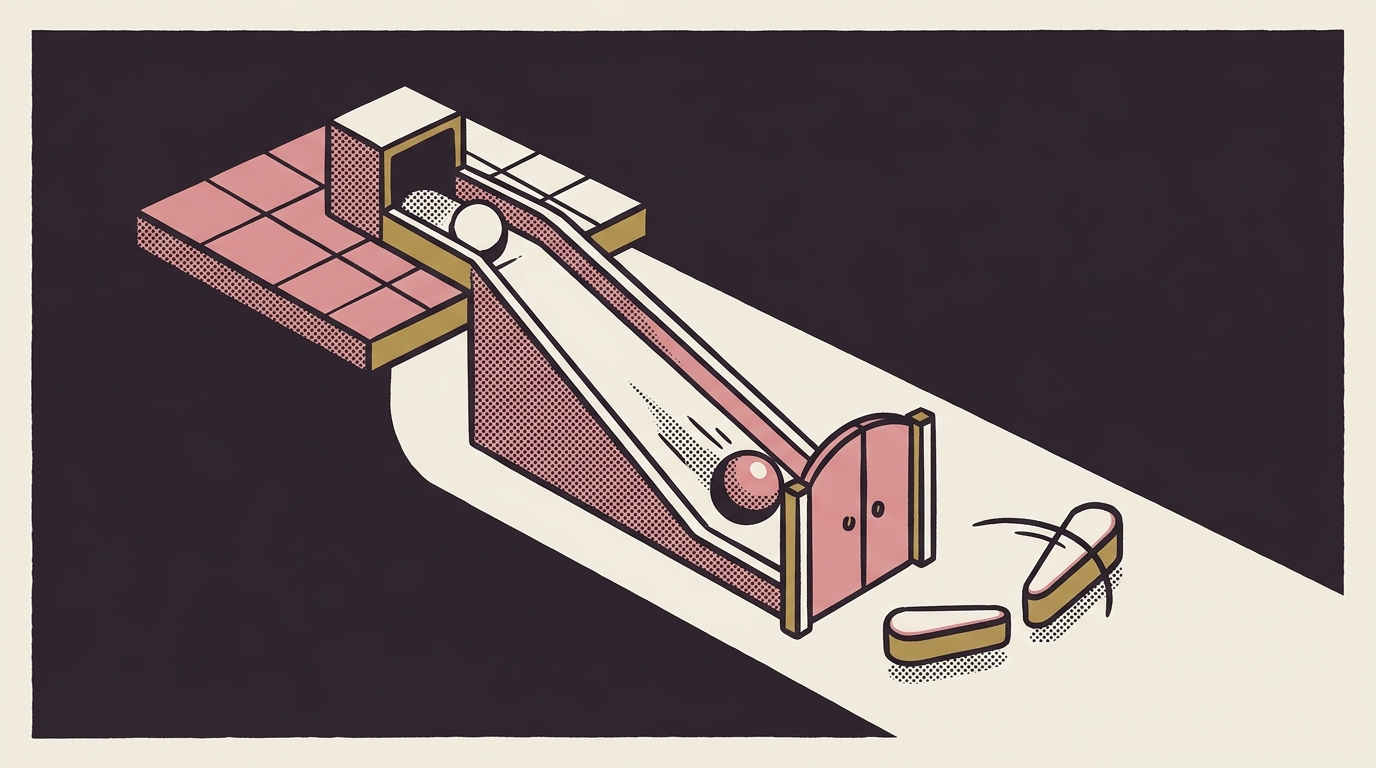
GA4 went dark for four days. Both fixes were right. One was in the wrong place.
Two PRs, each diagnosing a real fault, and GA4 still flat four days later. The problem wasn’t whether the consent signal was present — it was where in the document it lived relative to gtag.js.
One hardcoded album was fine. The tenth would have broken the page. So /creative stopped hardcoding anything.
The first version of the creative hub had all ten NAPA tracks written directly into the page component. That works for one album. It falls apart at ten. The rebuild made the page a reader of files, not a holder of content.
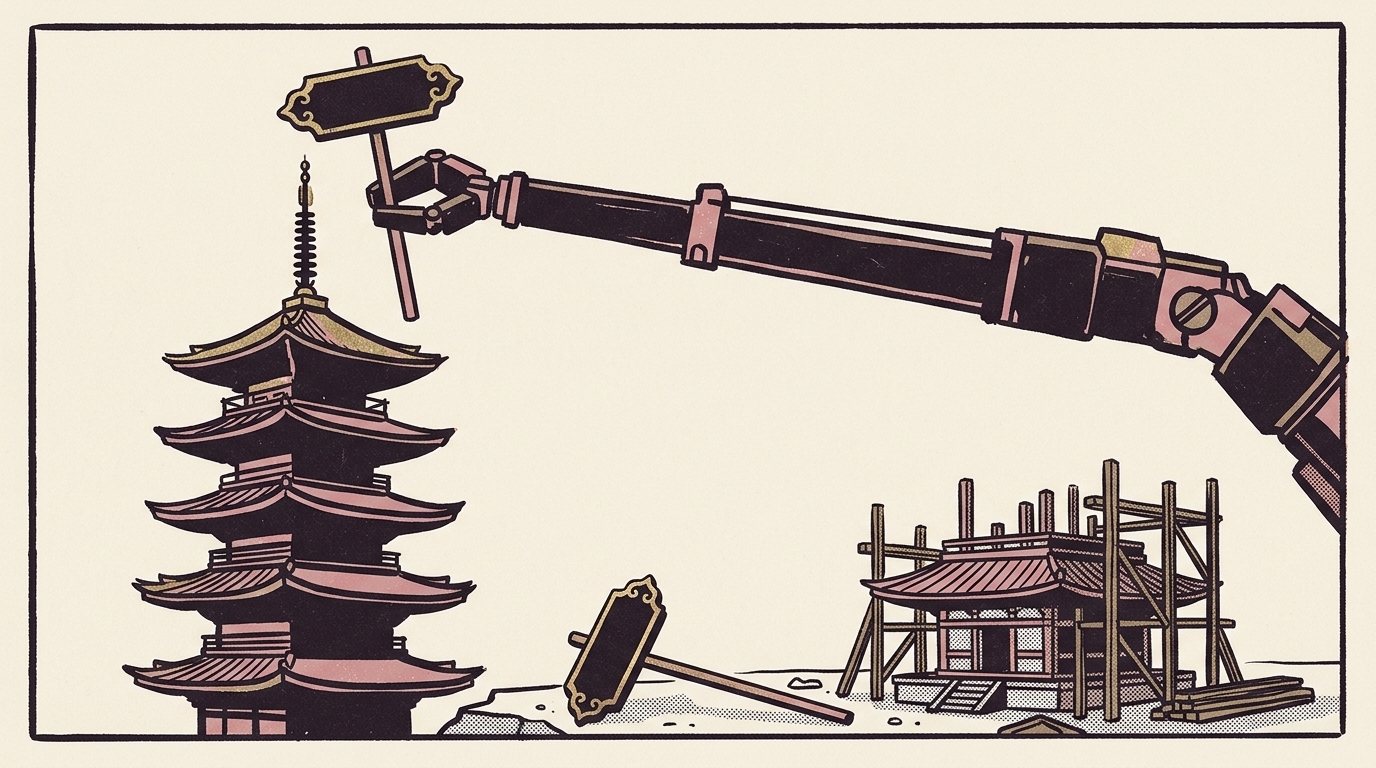
Prerequisite chips were the highest-leverage fix. They shipped fifth.
The navigation spec for captainrandom’s learning hub named the N1 prerequisite chips the single highest-value browsability improvement. They shipped in Phase 5 of 7. Course sidebar, in-chapter TOC, prerequisite chips, and site-wide Pagefind each close a different kind of lost — and the order they can ship in is a dependency graph, not a priority list.
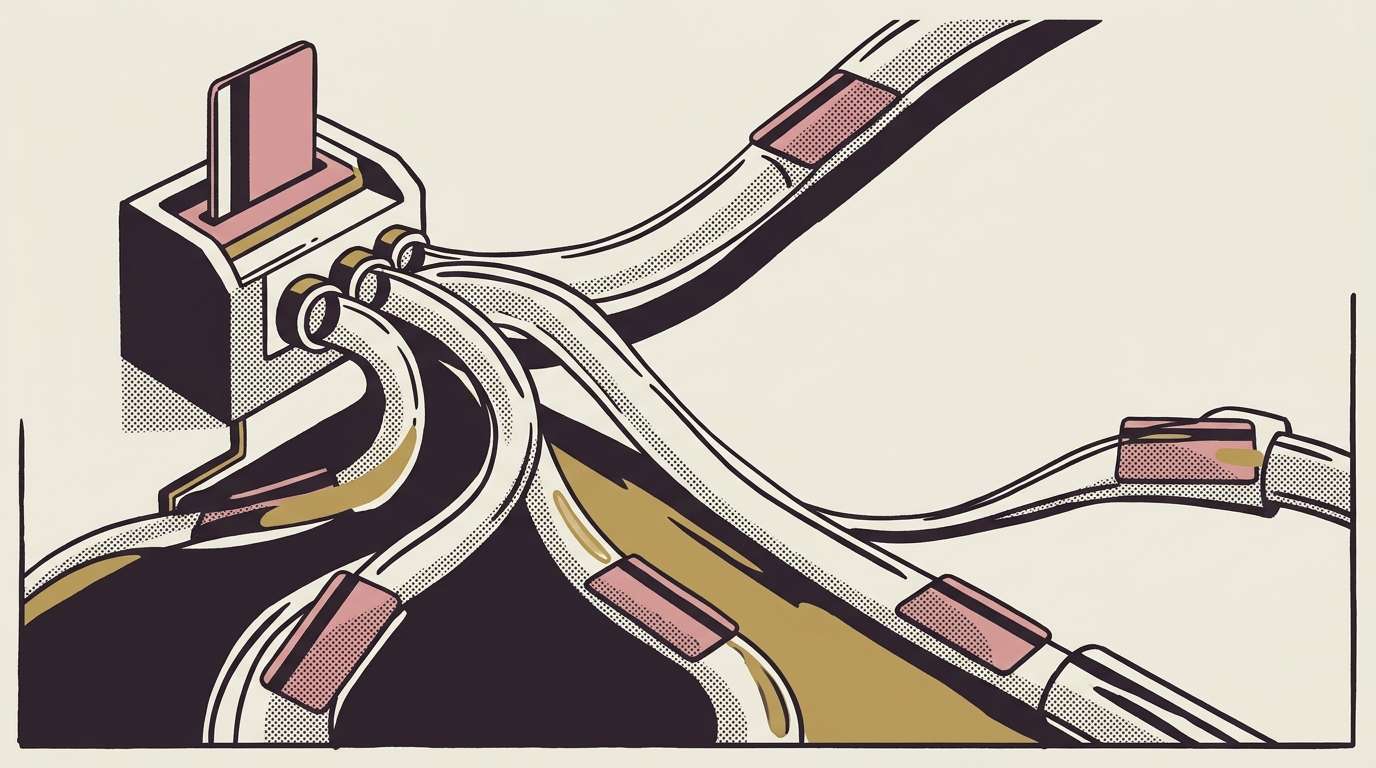
The confirm link token was in five places before the subscriber clicked it
Building newsletter confirm and unsubscribe handlers revealed a leak surface most developers overlook: tokens passed via GET end up in browser history, Referer headers, and server access logs before any mutation happens. The fix is an interstitial — show a page on GET, mutate only on POST.